
Blog E-Commerce 12/16/2025 4 min read
.webp?width=1000&name=3D%20shoes%20(1).webp)
3D footwear digitization is no longer a visual upgrade. It is becoming a structural tool for brands that want to scale ecommerce, align retail channels, and improve customer confidence when buying shoes online.
By creating accurate digital shoe models, brands gain more than better images. They unlock reusable assets that support product understanding, engagement, and operational efficiency across the entire customer journey.
Understanding 3D footwear digitization
What a 3D shoe model really includes
3D footwear digitization creates a detailed digital version of a shoe that reflects its real proportions, materials, textures, and construction. Unlike flat visuals, the model represents volume, depth, and geometry.
For sneakers, this means capturing sole thickness, toe shape, and upper structure. For boots or luxury footwear, it includes material stiffness, stitching depth, and heel volume.
Differences between basic visuals and true 3D assets
Traditional ecommerce images show a shoe from selected angles. A digitized shoe allows shoppers to explore it freely, rotate it, and zoom into details that influence purchase decisions.
This level of realism supports tools such as interactive 3D viewers for shoes and digitally trying on shoes, using the same core asset.

Business impact of 3D footwear digitization for brands
Ecommerce performance and product understanding
According to retail studies published in 2024, products presented with interactive 3D visuals can increase conversion rates by 20 to 30 % compared to static images.
In footwear ecommerce, where fit, shape, and volume matter, better product understanding directly supports buyer confidence.
Return reduction and sizing confidence
Footwear returns remain one of the highest in ecommerce. In 2023, fashion footwear return rates averaged between 25 and 35 %, largely due to unmet expectations.
3D footwear digitization helps shoppers better assess shape and proportions. When combined with virtual shoe fitting solutions such as those developed by Fittingbox, brands can reduce returns by up to 15 % based on 2024 pilot programs.
Content scalability across channels
A single digitized shoe can be reused across ecommerce, mobile, in-store screens, and marketing campaigns. This reduces repeated photoshoots and speeds up content production.
Brands launching seasonal sneaker collections or multiple colorways benefit significantly from this reusable digital foundation.
Using 3D footwear digitization across the customer journey
Product discovery and engagement
Interactive 3D shoes increase time spent on product pages. Data from 2024 shows that shoppers interact 40 % longer with products that include rotation and zoom features.
Longer engagement improves brand perception and supports higher purchase intent, especially for premium and technical footwear.
In-store and omnichannel consistency
Digitized shoes help align online and offline experiences. The same digital model can be displayed on tablets in store, allowing customers to explore colors or variants not physically available.
This supports omnichannel strategies where inventory and storytelling remain consistent across touchpoints.
Post-purchase and long-term brand value
3D assets continue delivering value after the sale. They can be reused for care guides, product education, and future launches.
Brands that invest early in digitizing shoes in 3D build a scalable content library that supports long-term digital growth.
Operational considerations for footwear teams
Production workflows and time to market
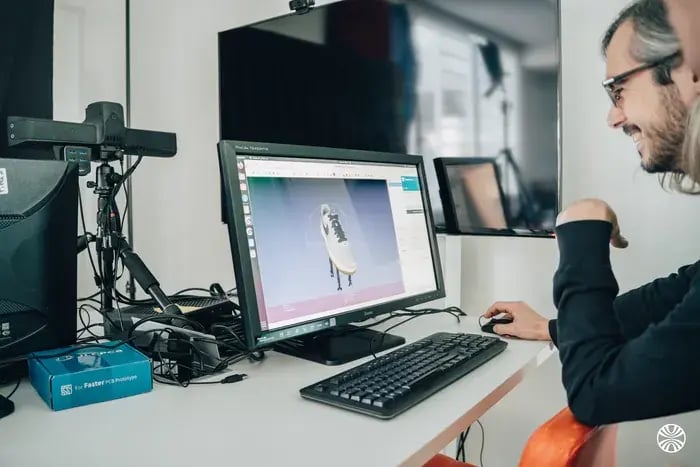
Modern digitization workflows can create a production-ready 3D shoe model in a few days once physical samples are available. This aligns well with footwear development calendars.
Some brands now digitize models before full production, allowing earlier ecommerce preparation.
Choosing the right level of digitization
Not all shoes require the same level of detail. Entry-level fashion footwear may focus on visual realism, while sports shoes require precise geometry for fitting accuracy.
Solutions like professional shoe digitization services help brands choose the right balance between realism, speed, and scalability.
Conclusion
3D footwear digitization is becoming a strategic asset rather than a visual enhancement. It helps brands present shoes more clearly, reduce returns, and create consistent experiences across ecommerce and retail.
For footwear brands looking to scale efficiently, investing in high-quality digital shoe models is a practical step toward stronger engagement, better performance, and long-term omnichannel readiness.

Fittingbox Footwear
Fittingbox Footwear is a dedicated business unit of Fittingbox, specialized in 3D and augmented reality solutions for the footwear industry. It offers ultrarealistic 3D digitization, immersive virtual try-on, and flexible integration — ranging from plug-and-play tools to fully customizable implementations.