
Blog E-Commerce 04/24/2026 4 min read
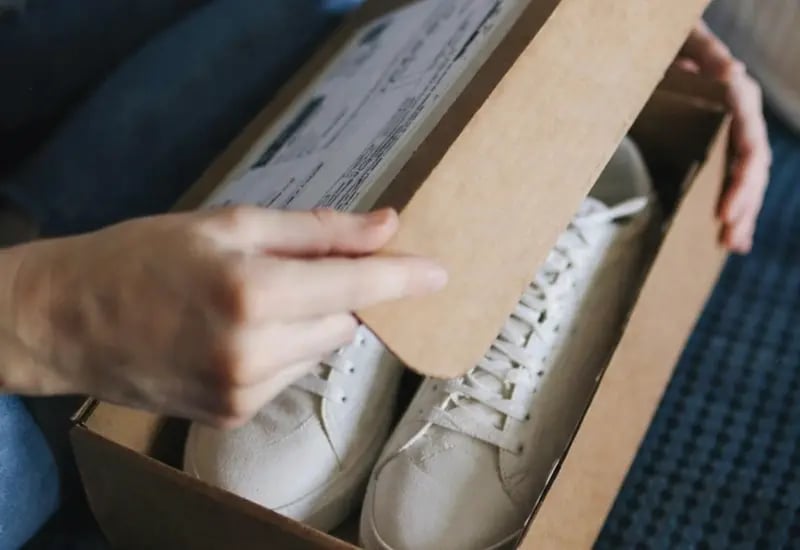
Returns often come from one simple issue: shoppers could not fully understand the shoe before buying it. In footwear, photos can hide volume, toe shape, material texture, and small design details that change how a pair looks and feels in real life.
3D visualization helps close that gap by letting shoppers inspect the product more realistically, which reduces avoidable ‘not what I expected’ returns as explored in reducing returns in shoe e-commerce with AR and 3D.
Return reasons that better visualization can reduce
You cannot control personal taste, but you can reduce returns caused by misunderstanding. Many returns happen because the shoe looked different than expected, the material finish was misread, or the overall volume felt surprising once worn. When you improve product clarity, shoppers are less likely to order “just to see,” and more likely to choose intentionally.
What 3D visualization changes in the buying decision
Shape, volume, and proportion become easier to judge
A 3D viewer helps shoppers understand the silhouette from every side, including the angles that often trigger disappointment after delivery. They can see how chunky an outsole really is, how tapered the toe feels, or how high the collar sits. That clarity reduces surprises and improves confidence that the shoe will match their style expectations.
Material and detail perception becomes more reliable
Materials drive a lot of expectation mismatch in footwear. With a well-built 3D experience, shoppers can look closer at texture cues and construction details like stitching, panel edges, and outsole patterning. This does not replace photography, but it adds a consistent layer of inspection that helps shoppers interpret what they are buying.
3D supports digital try-on experiences while reducing cost and impact
Once a footwear team has consistent 3D assets, they can also power experiences where shoppers try on shoes virtually. That can complement fit messaging by helping shoppers picture how a style may look on foot, not only on a model shot. Even when shoppers do not use a full try-on flow, the presence of interactive 3D often increases the feeling of control.
By improving purchase confidence earlier in the journey, these experiences can reduce unnecessary orders and returns—helping brands optimize conversion while avoiding extra shipping costs and reducing the environmental burden tied to returns.
For teams building a 3D foundation, these references can help frame the workflow: digitize shoes in 3D, deploy a 3D viewer of shoes, then extend into virtual try-on of shoes.
Footwear use cases that reduce avoidable returns
Size confidence without changing your sizing system
3D does not replace sizing charts, but it can reduce misinterpretation. When shoppers can better read the shoe’s overall volume and toe shape, they make size decisions with more context. This is especially useful for borderline fits where visual cues can reinforce your fit guidance and reduce wrong-size orders.
Premium materials and colorways that are hard to photograph
Suede, patent finishes, textured leathers, and reflective materials are often misunderstood in photos. 3D inspection helps shoppers understand the character of the material by letting them focus on specific areas of the shoe. For premium footwear, this can reduce the gap between a polished product page and the reality of the delivered item.
Omnichannel consistency for online and in-store teams
3D assets are reusable across touchpoints, which helps keep product understanding consistent. Store associates can use the same visual reference to support clienteling, endless-aisle selling, or assisted shopping when the exact colorway is not on the floor. That continuity can reduce returns triggered by customers feeling they were shown something different than what they received.
How to roll out 3D without hurting experience or accuracy
Choose the right products first
Prioritize models that combine high return risk with high visual ambiguity. Chunky soles, new fits, premium materials, and boots with complex structure are good starting points. You can expand once you have validated that 3D engagement is meaningful and the assets meet your accuracy standards.
Set quality rules so 3D stays trustworthy
Poor 3D can increase returns if it makes the product look different than reality. Set standards for material calibration, consistent lighting, and detail accuracy. Put a simple review step in place where your team compares the 3D output to production samples and flags anything that may mislead shoppers.
Keep measurement practical and aligned with returns
Measure what shoppers do and what comes back. Track viewer usage on PDPs and compare return reasons for products with and without 3D. Keep the analysis focused on categories like “not as expected” and size-related issues, because those are the areas where improved product understanding should show up first.
Conclusion
3D visualization reduces footwear returns by reducing uncertainty before checkout. When shoppers can inspect shape, volume, materials, and details more naturally, they choose with better confidence and face fewer surprises after delivery. The strongest impact comes from accurate assets, fast experiences, and a rollout focused on high-risk products.
If you treat 3D as a product understanding tool, returns improvement becomes a realistic outcome—one that also lowers operational costs and reduces the environmental footprint associated with reverse logistics and product waste.


Fittingbox Footwear
Fittingbox Footwear is a dedicated business unit of Fittingbox, specialized in 3D and augmented reality solutions for the footwear industry. It offers ultrarealistic 3D digitization, immersive virtual try-on, and flexible integration — ranging from plug-and-play tools to fully customizable implementations.